
Seasonal Wildlife Problems for Homeowners
Local service providers can help homeowners address seasonal wildlife problems by safely removing animals and preventing future infestations.
Homeowners often face seasonal wildlife problems that can impact the safety, comfort, and integrity of their properties. As different animals become active during various times of the year, issues such as nesting, burrowing, or foraging can lead to unwanted guests and potential damage. Exploring solutions for these seasonal challenges is practical for property owners who want to protect their homes and maintain a peaceful living environment. Understanding the nature of these wildlife concerns and knowing that local contractors offer specialized removal services can help homeowners address issues effectively as they arise.
For those experiencing seasonal wildlife problems for homeowners, connecting with experienced local service providers can make a significant difference. These professionals are equipped to handle a range of wildlife removal needs, ensuring that animals are safely and humanely relocated. By working with local contractors who understand the unique challenges of wildlife activity in the area, homeowners can find tailored solutions to seasonal issues and prevent future problems. Keep reading to learn more about common wildlife concerns and how local experts can assist in managing them.
- Bird exclusion services - needed when birds are nesting in eaves or vents, with local contractors safely removing and sealing entry points.
- Squirrel removal and exclusion - required when squirrels invade attics or walls, with service providers trapping and blocking access to prevent future visits.
- Bat control services - sought during seasonal bat activity, with pros carefully removing bats and sealing roosting sites to protect homeowners.
- Raccoon exclusion services - necessary when raccoons are rummaging through yards or climbing on roofs, with local experts safely trapping and securing entry points.
- Skunk removal solutions - used when skunks dig under porches or decks, with service providers humanely removing animals and preventing re-entry.
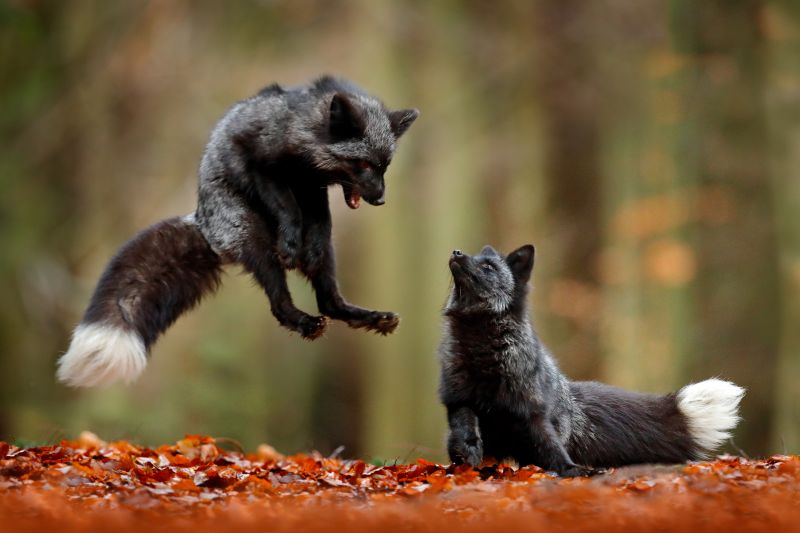
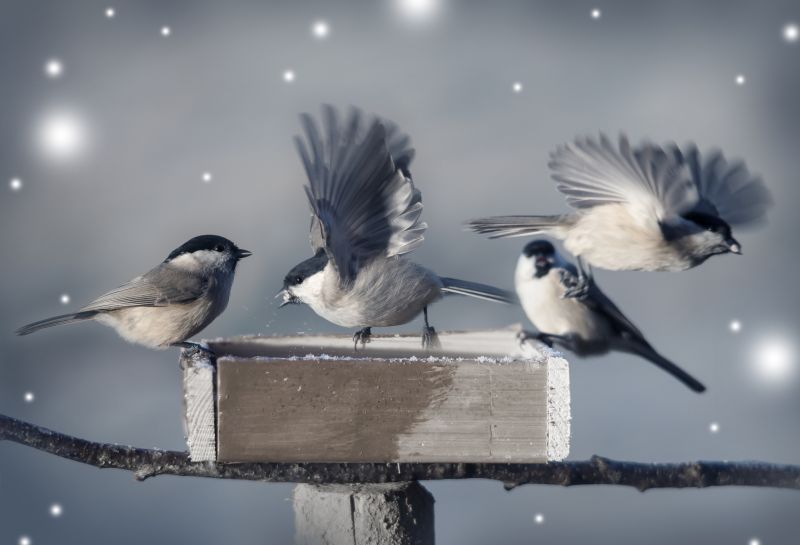
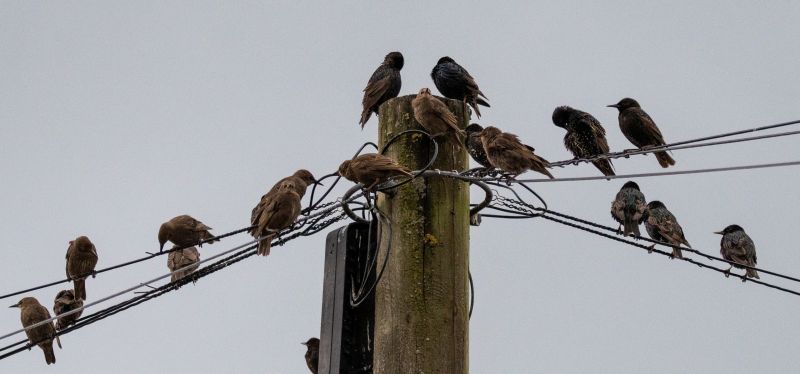
Seasonal wildlife problems for homeowners often refer to the recurring issues caused by animals that are active during specific times of the year. Many homeowners search for this topic because they notice increased animal activity around their property during certain seasons-such as birds building nests in spring, raccoons foraging in the fall, or bats roosting in attics during summer months. These searches typically relate to concerns about animals invading living spaces, damaging property, or creating safety hazards. Understanding the seasonal patterns helps homeowners identify when wildlife issues are most likely to occur and plan appropriate measures to prevent or address these problems.
The kinds of problems associated with seasonal wildlife for homeowners usually involve animals seeking shelter, food, or nesting sites on or near residential properties. For example, birds might nest in gutters or vents, raccoons may rummage through trash or find entry points into attics, and bats often roost in eaves or wall cavities. These issues can lead to property damage, contamination, or health risks. Homeowners may also develop plans to prevent future problems, such as installing barriers, sealing entry points, or removing nests safely. Local service providers specializing in seasonal wildlife removal can assess the situation and implement humane, effective solutions tailored to the specific animals involved.
Properties most commonly affected by seasonal wildlife problems tend to be those with accessible entry points or suitable habitats. Single-family homes, especially those with attic spaces, vents, or gaps in the exterior, are frequent targets. Rural or suburban properties with nearby woodlands, trees, or water sources may also attract wildlife during certain seasons. Additionally, properties with poorly maintained landscaping or overflowing trash cans can inadvertently invite animals to forage or nest. Recognizing these property features can help homeowners understand how their environment may be contributing to seasonal wildlife issues and how professional services can assist in mitigating these concerns.
Local contractors who handle seasonal wildlife problems play a key role in providing practical, humane solutions to homeowners. They evaluate the property to identify animal entry points and nesting sites, then implement targeted removal and exclusion methods. These professionals often offer advice on property modifications that reduce future problems, such as sealing gaps or installing deterrents. Since wildlife activity varies by season, these experts are familiar with the seasonal behaviors of local animals and can recommend the most effective strategies for each time of year. Connecting with experienced service providers ensures that seasonal wildlife problems are addressed safely and efficiently, helping homeowners protect their property and maintain a safe, animal-free living environment.
Gutter Cleaning and Maintenance - Proper gutter cleaning helps prevent wildlife from nesting in roof eaves and clogged drainage systems, a common issue during seasonal wildlife problems for homeowners. Local contractors can provide services to keep gutters clear and reduce attraction points for animals.
Roof Inspection and Repair - Inspecting and repairing roof vulnerabilities can prevent animals from entering attic spaces, which is often a seasonal wildlife concern. Service providers can identify and fix entry points to protect homes from wildlife intrusion.
Attic Ventilation and Insulation - Enhancing attic ventilation and insulation can deter animals from nesting or seeking shelter inside homes during seasonal wildlife problems. Local pros can assess and improve attic conditions to discourage wildlife activity.
Exclusion and Barrier Installation - Installing barriers such as chimney caps and vent covers helps block wildlife access points, addressing seasonal wildlife problems for homeowners. Experienced service providers can install effective exclusion devices to safeguard properties.
Tree and Landscape Maintenance - Trimming trees and managing landscaping reduces natural habitat near homes, minimizing seasonal wildlife problems. Local contractors can perform yard work that discourages animals from nesting close to structures.
Pest and Wildlife Control - Professional wildlife control services can safely remove animals and implement preventative measures to address seasonal wildlife problems for homeowners. Connecting with local experts ensures humane and effective solutions.
When evaluating service providers for seasonal wildlife problems for homeowners, it is important to consider their experience with similar projects. Homeowners should look for local contractors who have a proven track record of handling wildlife removal during specific seasons, as this indicates familiarity with the unique behaviors and challenges associated with different types of wildlife. Asking for references or examples of past work can help gauge whether a contractor has successfully managed situations comparable to the current needs, ensuring that they understand the nuances of seasonal wildlife issues.
Clear communication and well-defined expectations are essential when working with local contractors. Homeowners should seek providers who can articulate their process, what services are included, and any follow-up measures that might be necessary. Having a transparent understanding of what the project entails helps prevent misunderstandings and ensures that both parties are aligned on the scope of work. Good communication also facilitates ongoing updates and quick clarification of any concerns that may arise during the wildlife removal process.
Reputation and reliability are key factors to consider when choosing local service providers for seasonal wildlife problems. Reputable contractors often have established relationships within the community and a history of consistent, professional service. Homeowners can benefit from seeking out reviews or testimonials to assess a contractor’s reputation, as well as verifying that they maintain good communication throughout the project. Reliable providers prioritize customer service and are responsive to questions or concerns, making the process of addressing seasonal wildlife issues more straightforward and less stressful.
Property owners often search for seasonal wildlife problems for homeowners when they are planning practical projects around their homes and businesses. Local pros provide Seasonal Wildlife Removal services for everyday jobs and straightforward project options.
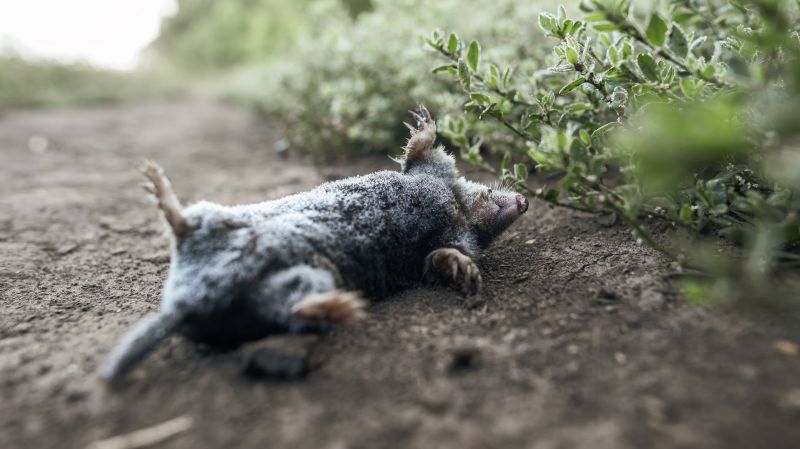
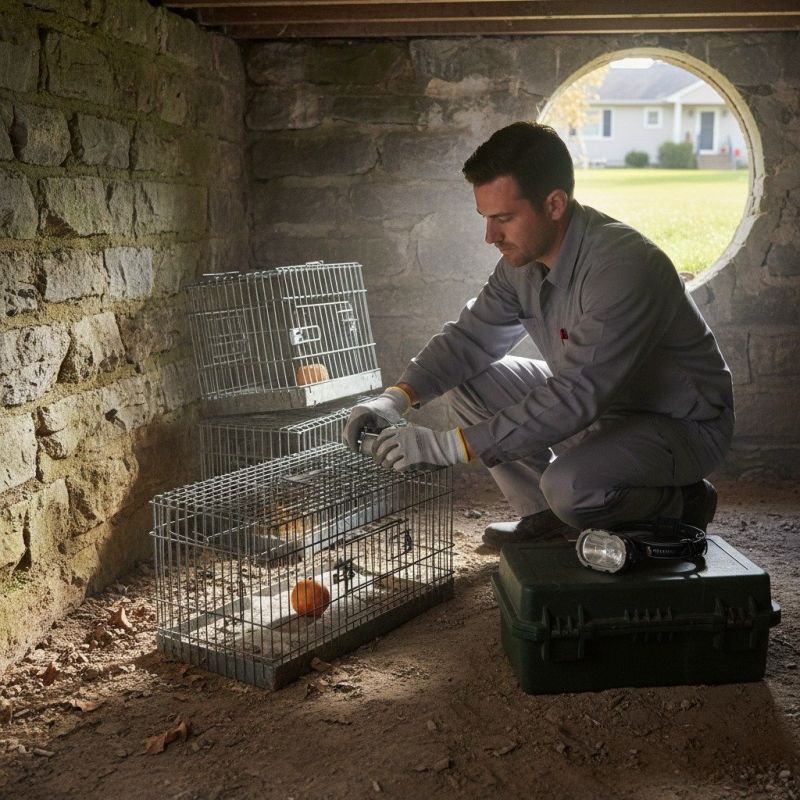
Seasonal wildlife problems for homeowners often arise during specific times of the year when animals are most active or seeking shelter. Homeowners might notice raccoons rummaging through trash cans, squirrels nesting in attics, or birds building nests in vents and eaves. These common issues can lead to property damage, noise disturbances, and potential health concerns, prompting many to seek solutions that effectively address the problem without causing harm to the animals or the property.
Local contractors specializing in seasonal wildlife removal can provide practical assistance for these everyday project situations. They understand the behaviors of local wildlife and can implement humane removal methods, seal entry points, and prevent future invasions. Connecting with these service providers can help property owners manage seasonal wildlife problems efficiently, ensuring their homes remain safe and comfortable throughout the year.
What are common wildlife issues during seasonal changes for homeowners? Seasonal changes often lead to increased wildlife activity such as birds nesting in eaves, raccoons rummaging through trash, or squirrels seeking shelter, which can cause property damage or health concerns.
How can local contractors assist with wildlife problems caused by seasonal behaviors? Local service providers can identify entry points, safely remove animals, and implement exclusion methods to prevent future issues related to seasonal wildlife activity.
What signs indicate a seasonal wildlife problem at a home? Signs include unusual noises in walls or attics, animal droppings near entry points, damaged insulation, or objects disturbed around the property during specific times of the year.
Are there specific wildlife species that become problematic during certain seasons? Yes, species like bats and swallows tend to nest in spring and summer, while raccoons and squirrels may seek shelter in fall and winter, leading to seasonal wildlife challenges.
What steps do local contractors take to handle seasonal wildlife problems effectively? They typically conduct inspections, remove animals humanely, seal entry points, and provide advice on preventing future seasonal wildlife issues around homes.
Seal entry points - identifying and sealing gaps or holes in the home’s exterior can prevent wildlife from entering during seasonal migration periods, with local contractors providing effective removal and exclusion services.
Install deterrents - applying humane deterrent devices or repellents around the property can discourage wildlife from nesting or foraging close to the home, with local pros offering guidance and installation.
Manage attractants - removing or securing food sources such as garbage, compost, and bird feeders can reduce seasonal wildlife problems for homeowners, with local service providers assisting in safe removal and cleanup.
Inspect and repair damage - assessing and fixing structural damage caused by wildlife activity helps prevent future issues, with local contractors providing repairs and exclusion solutions tailored to seasonal challenges.
If you are thinking about seasonal wildlife problems for homeowners for a property, this guide is meant to help you understand this topic, the typical project types, and how different options might fit your plans.
When you are ready, you can use the quote form on this page to share a few details about your project. From there, local pros can review the basics and follow up with options that match what you have in mind.